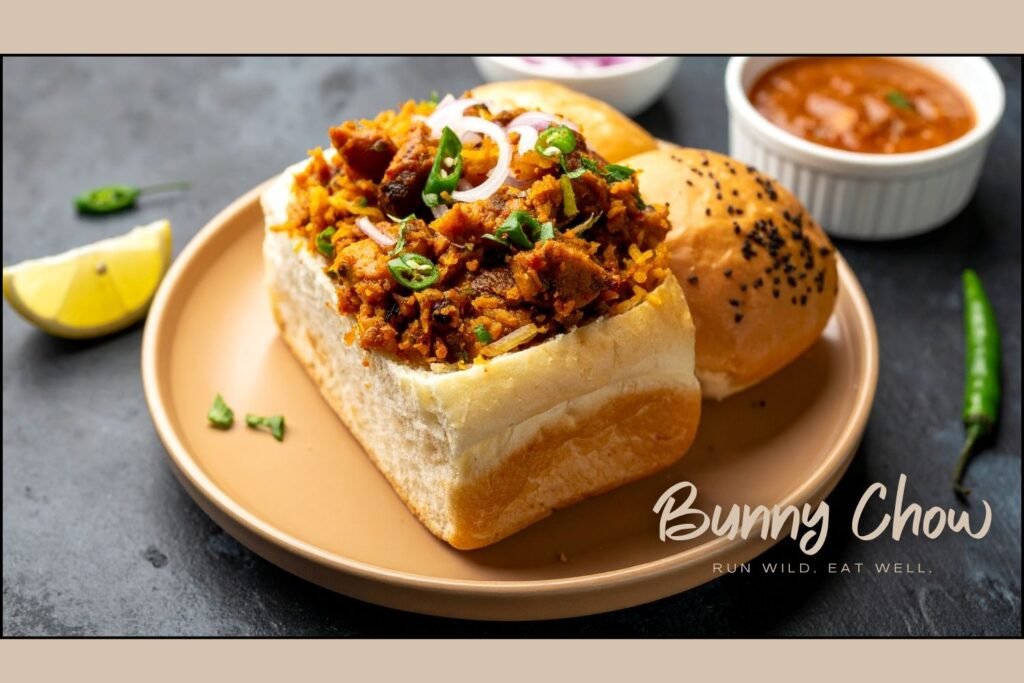
Durban’s Iconic Street-Food Favourite
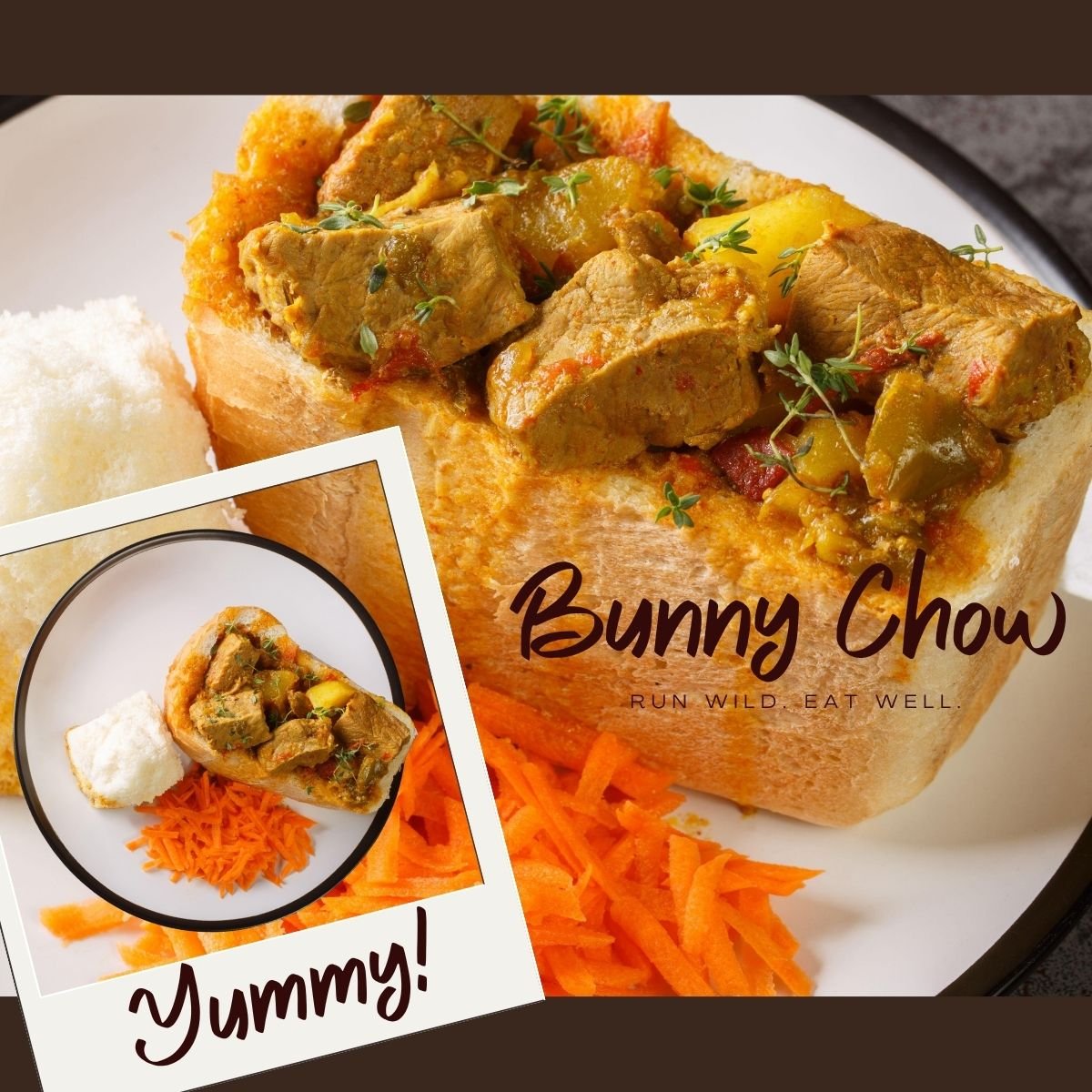
Few dishes say “South Africa” quite like Bunny Chow — a bold, flavour-packed curry served inside a hollowed-out loaf of bread. Originally from Durban, this iconic street food is a true symbol of South African creativity and cultural fusion. It’s hearty, messy in the best way, and bursting with spices that awaken every sense.
The story of Bunny Chow is as rich as its flavour. It dates back to the 1940s, when Indian labourers working in the sugarcane fields around Durban needed a convenient, portable meal. Bread became the perfect edible container for their spicy curries — easy to carry, no plates required, and completely satisfying. What began as a practical lunch soon became a national favourite, loved by everyone for its flavour and fun.
Traditionally made with mutton or bean curry, Bunny Chow can be adapted to suit every taste — from chicken to vegetarian versions filled with chickpeas, lentils, or vegetables. The bread absorbs the curry sauce, creating a comforting blend of textures: soft inside, slightly crisp outside, and full of spice in every bite. Durban curry is typically hotter and bolder than it’s sweeter Cape Malay affiliate, with a strong emphasis on chili and tomatoes.
At The Healthy Springbok, we honour this South African legend with a lighter approach — using lean meats, fresh vegetables, and reduced oil while keeping the curry’s rich aroma and depth. It’s comfort food that satisfies the soul without weighing you down.
Whether enjoyed at a casual braai, shared among friends, or eaten straight from the loaf as tradition allows, Bunny Chow is more than a meal — it’s an experience. A taste of Durban’s vibrant culture, a celebration of flavour, and a reminder that great food doesn’t need fuss — just a loaf of bread, a good curry, and plenty of heart.
“Bunny Chow” ORIGIN:
No bunnies were harmed in the making of this recipe. Origin of the name came from the corruption of “Bania,” (“bunny”) referring to the Indian merchant caste who were known for selling curries and other foods. the “chow” part is a South African slang term for “food” or “to eat”.Together “bunny chow” translates to “Bania’s Food”.
Ingredients
Equipment
Method
- Measure all your whole and ground spices. Keep the whole spices separate from the ground ones initially.
- Heat a dry, heavy-based pan or skillet over medium heat. Add all the whole spices including cinnamon sticks, bay leaves, and curry leaves.
- Dry roast the spices for about 2–3 minutes, stirring constantly to prevent burning. The spices should become highly fragrant, and you might hear some seeds begin to pop.
- Remove the toasted spices from the hot pan and spread them on a plate or tray to cool completely. This prevents them from "cooking" further and preserves their potent flavor.
- Once cooled, transfer the whole spices to your method of grinding. Grind them into a fine powder. You may need to use a sieve to remove any unground particles and regrind them.
- In a bowl, combine the freshly ground mixture with the pre-ground spices.
- Stir or shake the mixture well in an airtight container to ensure all the spices are evenly distributed.
- Heat oil; fry onion until golden.
- Add ginger-garlic and spices; cook 1 min.
- Stir in meat; brown lightly.
- Add tomatoes and potatoes; cook 5 min.
- Add water; simmer 30 min until thick and tender.
- Cut bread in half; hollow out centre (“quarter loaf”).
- Fill cavity with curry and serve with bread top.
Notes
Calories: 510 | Protein: 29g | Fat: 20g | Carbs: 55g | Fibre: 4g